What archaeology says
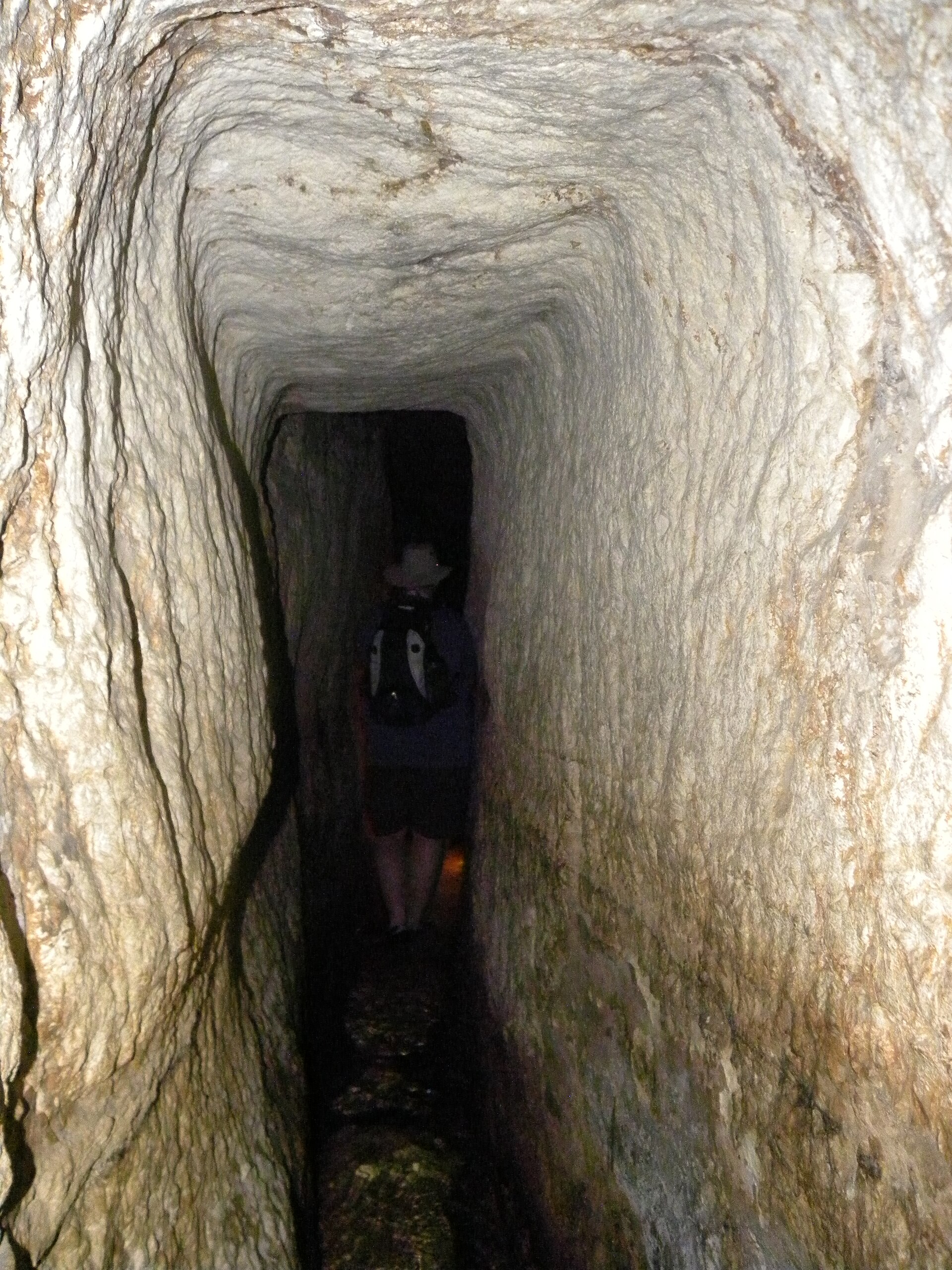
The convergence of evidence at this site is unusually strong. The biblical books of Kings and Chronicles attribute the waterworks to Hezekiah; the Siloam Inscription's script is dated palaeographically to around 700 BC; and in 2003 Amos Frumkin, Aryeh Shimron and Jeff Rosenbaum published radiometric dates in Nature — radiocarbon on plant material sealed in the tunnel's original plaster floor, and uranium-thorium on stalactites that grew over it — bracketing construction to about 700 BC. It remains one of the few structures from the biblical world dated by text, epigraphy and laboratory science in agreement. Later radiocarbon programmes by Johanna Regev, Elisabetta Boaretto and colleagues (published 2023–2024) have anchored Iron Age Jerusalem's wider chronology, confirming the late 8th century BC as a period of massive urban growth, and a 2025 PNAS study by the same laboratory dated the nearby Siloam dam to around 800 BC — evidence that Jerusalem's kings were investing in monumental waterworks even before Hezekiah, likely in response to droughts and flash floods recorded in climate proxies.
How the two teams met remains the delicious puzzle. Dan Gill of the Geological Survey of Israel proposed in 1994 that the diggers followed and enlarged a pre-existing natural karst conduit — which would explain the winding course and how they dared attempt a two-ended dig at all. Frumkin and Shimron's 2006 geoarchaeological study countered that the tunnel's geometry, tool marks and sediments are inconsistent with a natural dissolution channel, and argued instead that surface teams guided the miners acoustically, hammering signals through as little as a few metres of rock above; the frantic zigzags and false starts near the meeting point — exactly where the inscription describes shouting through the stone — record the miners homing in on sound. A separate revisionist argument by geologists Amihai Sneh, Ram Weinberger and Eyal Shalev (2010) held that so long a project could not have been improvised before a looming siege and must have begun earlier, perhaps under Hezekiah's predecessors; Ronny Reich and Eli Shukron have likewise argued from pottery in adjacent works for a start date decades before 701 BC. The mainstream centre of gravity still ties the tunnel's completion to Hezekiah, while accepting that Jerusalem's water system evolved over generations.
- The Siloam Inscription's palaeo-Hebrew script, dated by Cross, McCarter and others to c. 700 BC
- 2003 Nature radiometric dating (Frumkin, Shimron and Rosenbaum): radiocarbon in floor plaster and U-Th on overlying stalactites
- Biblical attributions in 2 Kings 20:20 and 2 Chronicles 32 crediting Hezekiah with bringing the Gihon's water into the city
- Regev and Boaretto's 2023–2025 radiocarbon work anchoring Jerusalem's Iron Age growth and dating the Siloam dam to c. 800 BC
- False starts and corrective zigzags near the junction matching the inscription's account of the two teams converging