What archaeology says
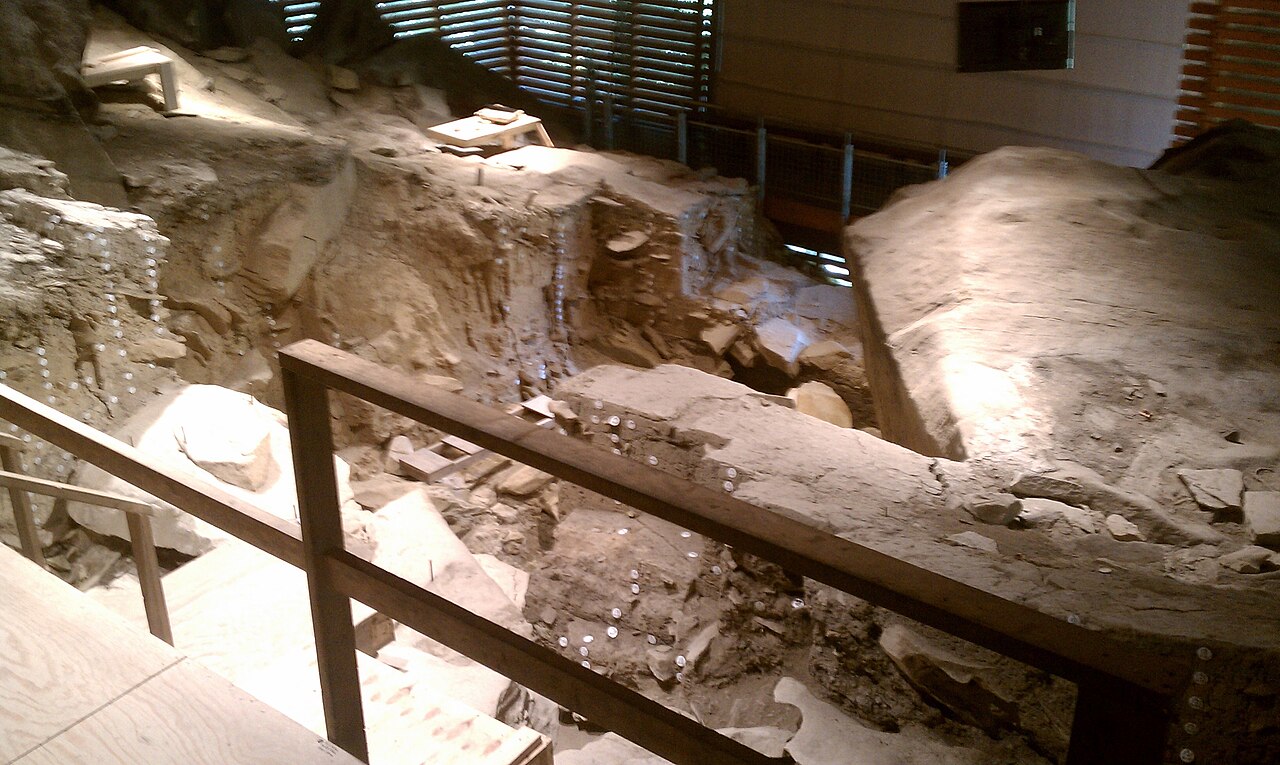
Meadowcroft's stratigraphy is a textbook example of careful excavation: eleven cultural strata, a large series of radiocarbon dates in correct stratigraphic order, and no obvious mixing. The lowest cultural material yielded dates that push human occupation back to at least around 16,000 years, and arguably earlier, comfortably pre-Clovis. Over time, as other secure pre-Clovis sites accumulated - Monte Verde in Chile above all - the discipline came to accept that people were in the Americas before Clovis, and Meadowcroft's respectability rose accordingly.
The long-standing objection concerned contamination. Southwestern Pennsylvania has coal-bearing bedrock, and critics led by geoarchaeologist Vance Haynes worried that ancient "dead" carbon from coal or groundwater-borne particulates could have infiltrated the samples, making them appear older than they were. Adovasio's team responded with additional geochemical and hydrological analyses arguing that no such contamination occurred and that the plant and pollen assemblages were consistent with the dated ages.
The current mainstream position is that Meadowcroft is a genuine pre-Clovis site, with the deepest dates still carrying a residual question mark rather than outright rejection. It is no longer the lonely outlier it once was.
- Eleven cultural strata with a large radiocarbon series in correct stratigraphic order.
- Lowest cultural material dates to at least roughly 16,000 years, comfortably pre-Clovis.
- Plant, pollen and faunal assemblages are internally consistent with the dated ages.
- Independent geoarchaeological analyses found no evidence of the feared coal contamination.
- Acceptance rose as other secure pre-Clovis sites such as Monte Verde accumulated.