What archaeology says
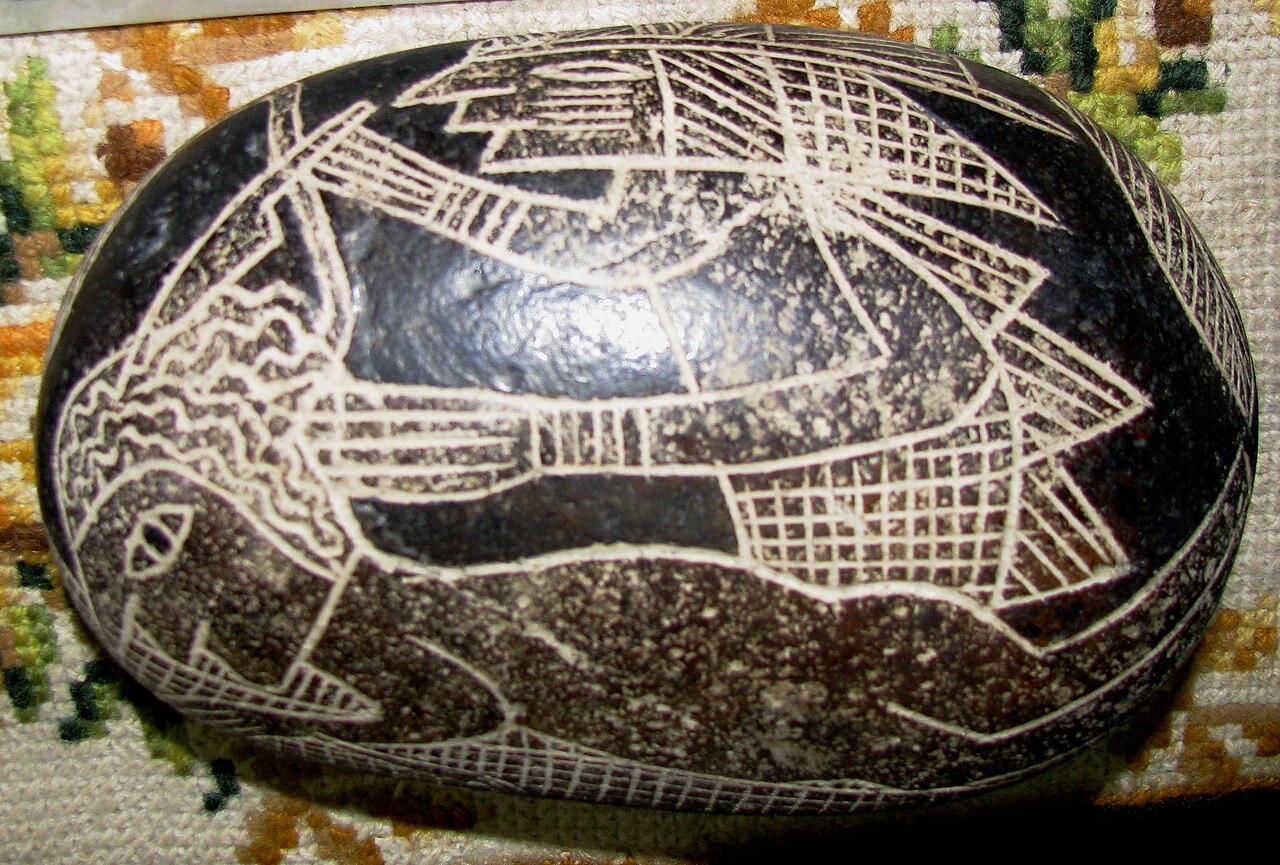
Archaeologists class the Ica stones as modern folk craft turned hoax. The stones have no stratigraphic provenance: none has ever been excavated by an archaeologist from a sealed pre-Columbian context, and every documented specimen traces back through dealers and farmers, principally Basilio Uschuya and his wife Irma Gutierrez de Aparcana. In 1973 Uschuya told Erich von Daeniken the stones were fakes, and in a 1977 BBC documentary he carved one on camera and explained the ageing process; Peruvian authorities investigating the illegal sale of antiquities accepted the confession — selling fakes to tourists is not a crime, whereas trafficking real antiquities is, a legal incentive sceptics and believers read in opposite directions.
Physical examination supports recent manufacture. Engravings cut through the stones' natural varnish show fresh, unweathered grooves under magnification, and a laboratory examination arranged for von Daeniken found no meaningful patina in the incisions. The imagery is also anachronistic on its own terms: the dinosaurs reproduce mid-twentieth-century reconstructions — upright, tail-dragging sauropods and kangaroo-posed theropods — errors palaeontology has since corrected, which dates the artists' sources rather than the animals.
Skeptical investigators from Ken Feder to Massimo Polidoro treat the collection as a case study in how a hoax can outgrow its makers once a credentialed patron stakes his reputation on it.
- Basilio Uschuya confessed repeatedly, and carved a stone on camera for a 1977 BBC documentary using a dental drill
- No Ica stone has ever been recovered from a documented archaeological excavation
- Incisions show no aged patina under magnification, unlike the weathered natural varnish they cut through
- The dinosaur imagery copies outdated mid-twentieth-century reconstructions, complete with posture errors since corrected
- The collection ballooned from dozens to over ten thousand stones precisely while Cabrera was known to be buying
- Uschuya named his sources — comics, magazines, schoolbooks — and his ageing recipe of dung and shoe polish