What archaeology says
Scholars regard the Sajama Lines as an indigenous Andean phenomenon with pre-Inca roots, created and re-created over a very long span — perhaps three thousand years — rather than in a single episode. Because a scraped path yields no datable organic material, ages are inferred from what the lines connect: the chullpa burial towers, wak'a shrines and settlement sites strung along them belong to pre-Hispanic Aymara-speaking cultures of the altiplano, and ethnographic work (going back to Alfred Metraux in the 1930s) documents that such straight ceremonial paths were still understood and used within Andean religious practice.
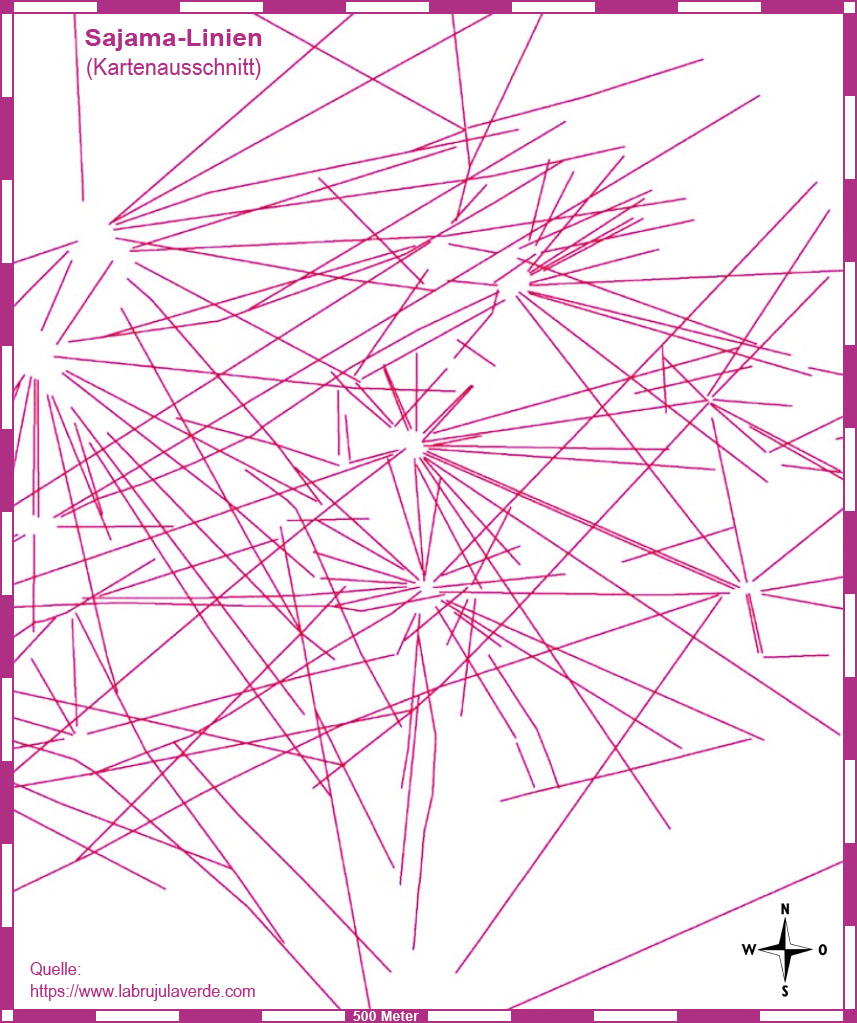
The most sustained modern study came through the Tierra Sajama project around 2003, a collaboration between the University of Pennsylvania and the Landmarks Foundation, which used GIS and aerial imagery to map the network systematically for the first time. That work confirmed the lines' astonishing straightness across rough terrain and their consistent linkage of sacred and social nodes. The leading interpretation is that they are pilgrimage and ceremonial paths: routes walked between shrines, tombs and communities, part of a sacred geography in which straightness itself carried meaning. Some researchers add a practical dimension, noting that certain lines may also have guided people to scarce water sources on the arid plateau.
The Sajama Lines fit a wider Andean pattern of ceque systems — radial sacred lines, best documented at Inca Cusco, organising the landscape into lines of shrines. Seen this way, Sajama is not an isolated marvel but the most spectacular surviving example of a widespread Andean way of inscribing devotion, memory and social order directly onto the earth.
- Lines consistently link datable pre-Hispanic wak'a shrines, chullpa burial towers and settlements
- Ethnographic records (from Metraux onward) of straight ceremonial paths within living Andean practice
- Systematic GIS mapping by the Tierra Sajama project (University of Pennsylvania and Landmarks Foundation)
- Close fit with the well-documented Andean ceque tradition of radial sacred lines, as at Inca Cusco
- Association of some lines with routes to scarce water sources on the arid altiplano