What archaeology says
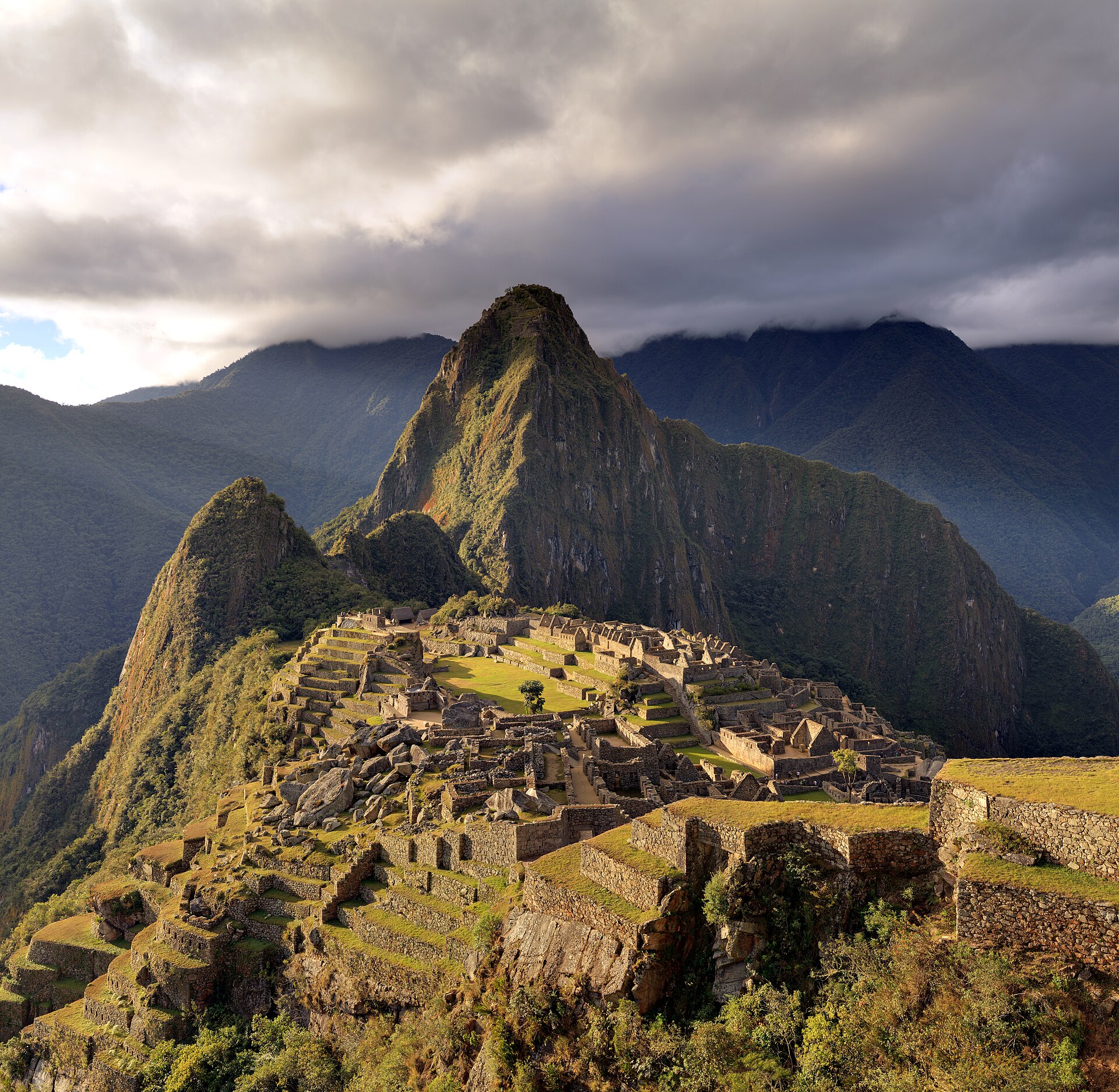
Archaeologists interpret Machu Picchu as a royal estate built for the emperor Pachacuti, the ruler who transformed the Inca state into an empire — a seasonal palace, religious retreat and administrative centre serving perhaps 750 people at its peak. The identification rests on a 16th-century Spanish legal document connecting the estate to Pachacuti's lineage, on the site's architecture of elite residences and shrines rather than ordinary dwellings, and on excavated burials of the diverse retainer population who served there, whose bones and grave goods indicate people drawn from all over the empire.
In 2021 a Yale-led team under Richard Burger published the first large AMS radiocarbon programme on human remains from the site's cemeteries, showing occupation from about AD 1420 to the 1530s — beginning roughly two decades earlier than the traditional text-based chronology, which had tied construction to Pachacuti's supposed accession in 1438. The result quietly made an important methodological point: Inca history reconstructed from colonial chronicles is less reliable than direct dating. Meanwhile, historians Donato Amado Gonzales and Brian Bauer showed in 2022 that the Incas almost certainly called the town Huayna Picchu — the name Machu Picchu properly belongs to the neighbouring mountain.
Construction questions are comparatively well answered here: the granite was quarried on the ridge itself (a jumbled quarry zone still sits within the site), and hydrologist Kenneth Wright's studies documented the spring collection works, the 16-fountain cascade and the massive subsurface drainage that make the city an engineering masterpiece. Geologist Rualdo Menegat has even argued the Incas deliberately built on a web of fault intersections, exploiting pre-fractured stone and superior drainage.
- 2021 AMS radiocarbon dates (Burger et al.) placing occupation at c. AD 1420–1530
- A 16th-century legal document tying the estate to Pachacuti's royal lineage
- An on-site granite quarry with blocks abandoned at every stage of working
- Excavated retainer burials with imperial-era grave goods from across the Inca world
- Wright's engineering studies of Inca-designed water supply, fountains and terrace drainage