What archaeology says
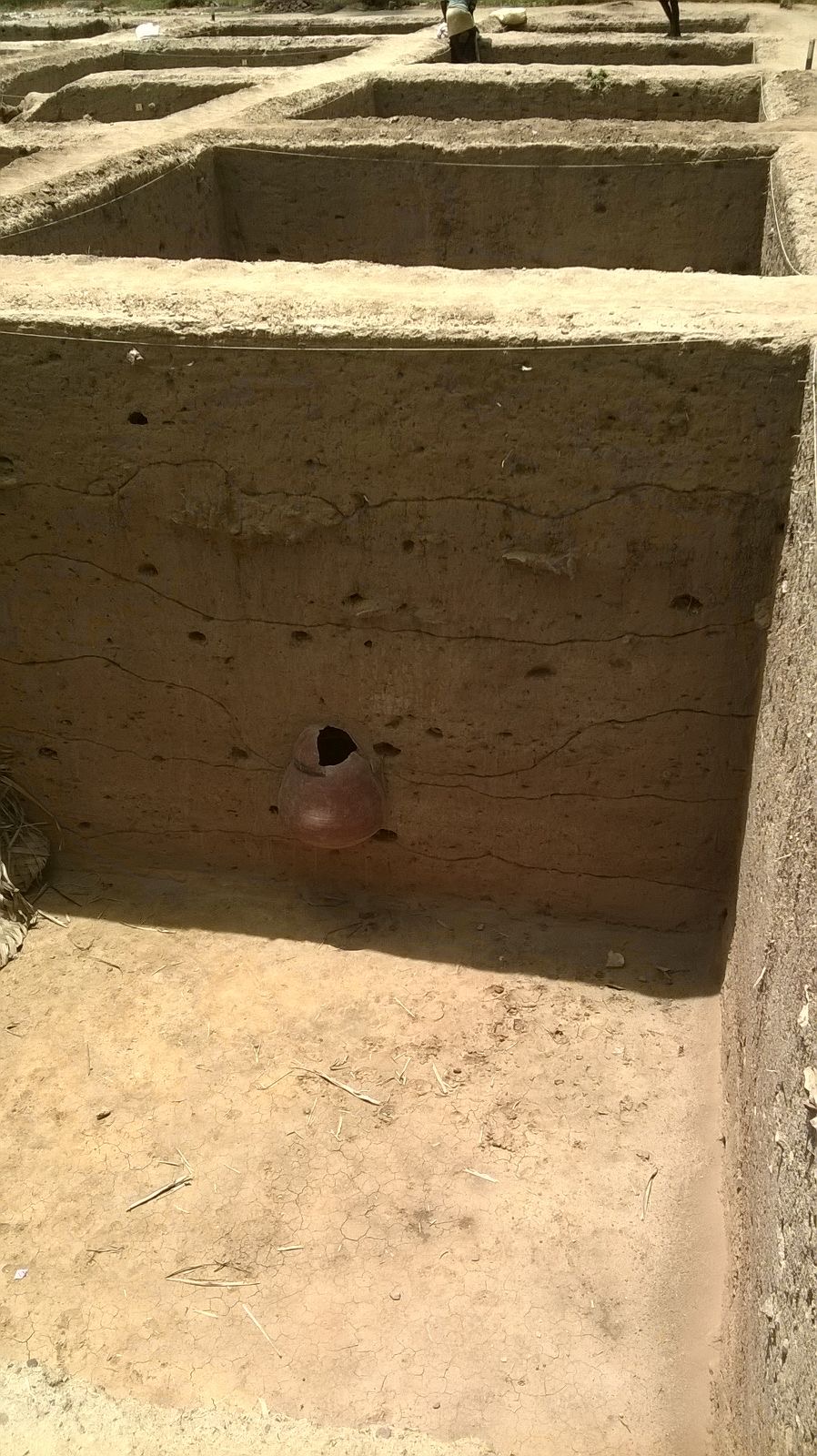
That Keeladi is a major discovery is not in dispute. The excavated mounds reveal a substantial settlement of the Sangam age with baked-brick buildings, terracotta ring wells, spindle whorls, dyeing vats and evidence of shell and bead industries — a genuine urban and industrial character previously unattested archaeologically for early historic Tamil Nadu, which literary sources (the Sangam corpus) had always implied. Tamil-Brahmi inscribed sherds demonstrate widespread literacy; a much-publicised 2019 report by the Tamil Nadu department, based on AMS radiocarbon dates from Beta Analytic, placed the site's early phase in the sixth century BC, with one sample dated to about 580 BC, and claimed Tamil-Brahmi script should accordingly be older than previously thought.
The dispute is over chronology and inference. Ramakrishna's 982-page report on his 2014-2016 seasons proposed a periodisation beginning as early as the eighth century BC. In May-June 2025 the ASI returned the report asking for revisions, stating that the earliest period should be dated no earlier than around 300 BC, that some AMS dates needed stronger stratigraphic anchoring, and calling parts of the analysis insufficiently supported. Many senior archaeologists outside the political fray note real methodological questions: few dates from the deepest layers, the gap between dating charcoal and dating literacy, and the risk of building a 300-year extension on a handful of samples.
Ramakrishna refused to revise, defending his stratigraphy and AMS chronology; he had already been controversially transferred in 2017 mid-project, and was moved again in June 2025. The scientific question — 6th or 3rd century BC for urban Keeladi — remains genuinely open pending full publication.
- Extensive brick architecture, ring wells and industrial installations demonstrating genuine early urbanism on the Vaigai
- Thousands of inscribed and graffiti-bearing potsherds, including Tamil-Brahmi, indicating widespread literacy
- AMS radiocarbon dates from Beta Analytic, one c. 580 BC, cited by the Tamil Nadu department's 2019 report
- Ramakrishna's 982-page report proposing occupation from c. 8th century BC, based on stratigraphy and 23 AMS dates
- ASI's 2025 counter-position that the earliest period should date no earlier than c. 300 BC pending stronger evidence
- Spindle whorls, dyeing vats and bead industries matching the urban economy described in Sangam literature