What archaeology says
Historians read the City of the Caesars as a compound legend that Patagonia's genuine mysteries kept alive. Its documented seeds are prosaic: Francisco Cesar's inflated report of 1528-29; the fate of Spanish colonists and shipwreck survivors who vanished into the far south — notably survivors of the 1540 wreck from the bishop of Plasencia's fleet in the Strait of Magellan, and the abandoned settlers of Pedro Sarmiento de Gamboa's doomed Strait colonies of the 1580s — around whom grew stories of Europeans living in a hidden city; and post-conquest rumours of Inca refugees carrying treasure south. Each strand is historically real as an event; the golden city into which they fused is not.
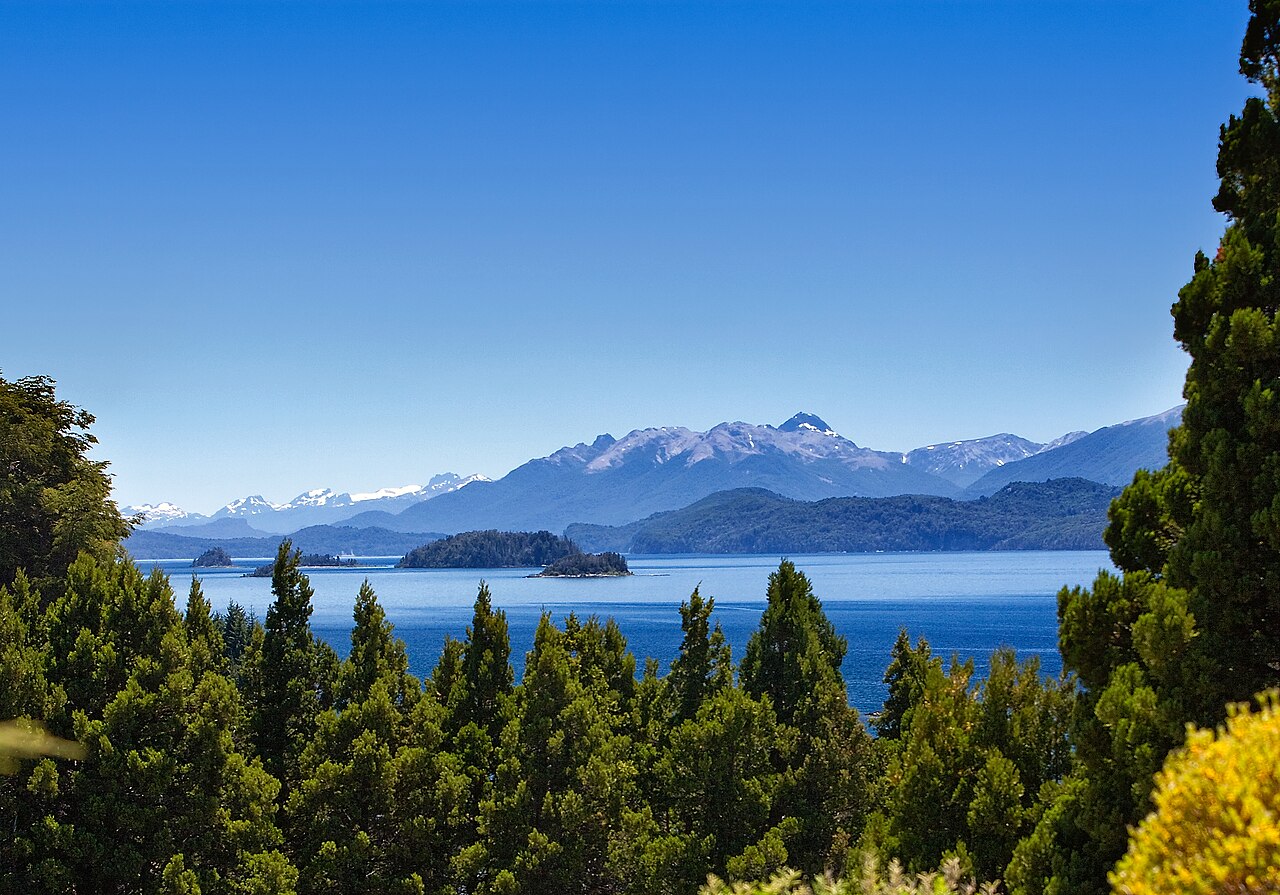
The legend's practical effect was exploration. Jesuit father Nicolas Mascardi, founder of the mission on Lake Nahuel Huapi in 1670, made repeated journeys across Patagonia searching for the Cesares before being killed in 1673; later Jesuits including Jose Cardiel and Thomas Falkner weighed the evidence; and expeditions and official inquiries continued through the 18th century — Ignacio Pinuer's detailed 1774 report from Valdivia of a Spanish-descended city on a lake prompted new searches, and journeys by figures such as Fray Francisco Menendez into the cordillera around 1780-1791 were among the last serious hunts. Cumulatively these journeys produced much of the early cartography and ethnography of the southern Andes.
Scholars also note the legend's literary DNA: it absorbed the medieval template of hidden blessed cities and utopias, and in Chilote folklore it merged with pure enchantment — a city cloaked in fog, reachable by no road twice. Modern historians such as those who compiled the colonial documents (the Angelis collection) treat the corpus as an invaluable window onto frontier rumour, indigenous-Spanish information exchange, and the psychology of empire.
- The legend's origin is documented: Francisco Cesar's party from Cabot's 1528 expedition returned with tales of a rich interior, coining the news of the Cesares.
- Every later search — Mascardi's journeys from Nahuel Huapi (1670-73), 18th-century Valdivia expeditions, Menendez's cordillera crossings — found no city, while progressively mapping the terrain where it was supposed to be.
- The legend's ingredients correspond to real, documented events (the 1540 Strait shipwreck, Sarmiento's abandoned colonists, Inca flight south) that required no actual golden city.
- Versions of the story contradict one another — Spanish castaways, Incas, immortals; on a lake, an island, between two mountains — the signature of folklore rather than geography.
- Patagonia has since been comprehensively surveyed, settled and satellite-mapped with no trace of any colonial-era hidden city.
- The enchanted-city motif (invisibility, fog, no return) matches well-known European and Chilote folklore templates, indicating literary borrowing.