What archaeology says
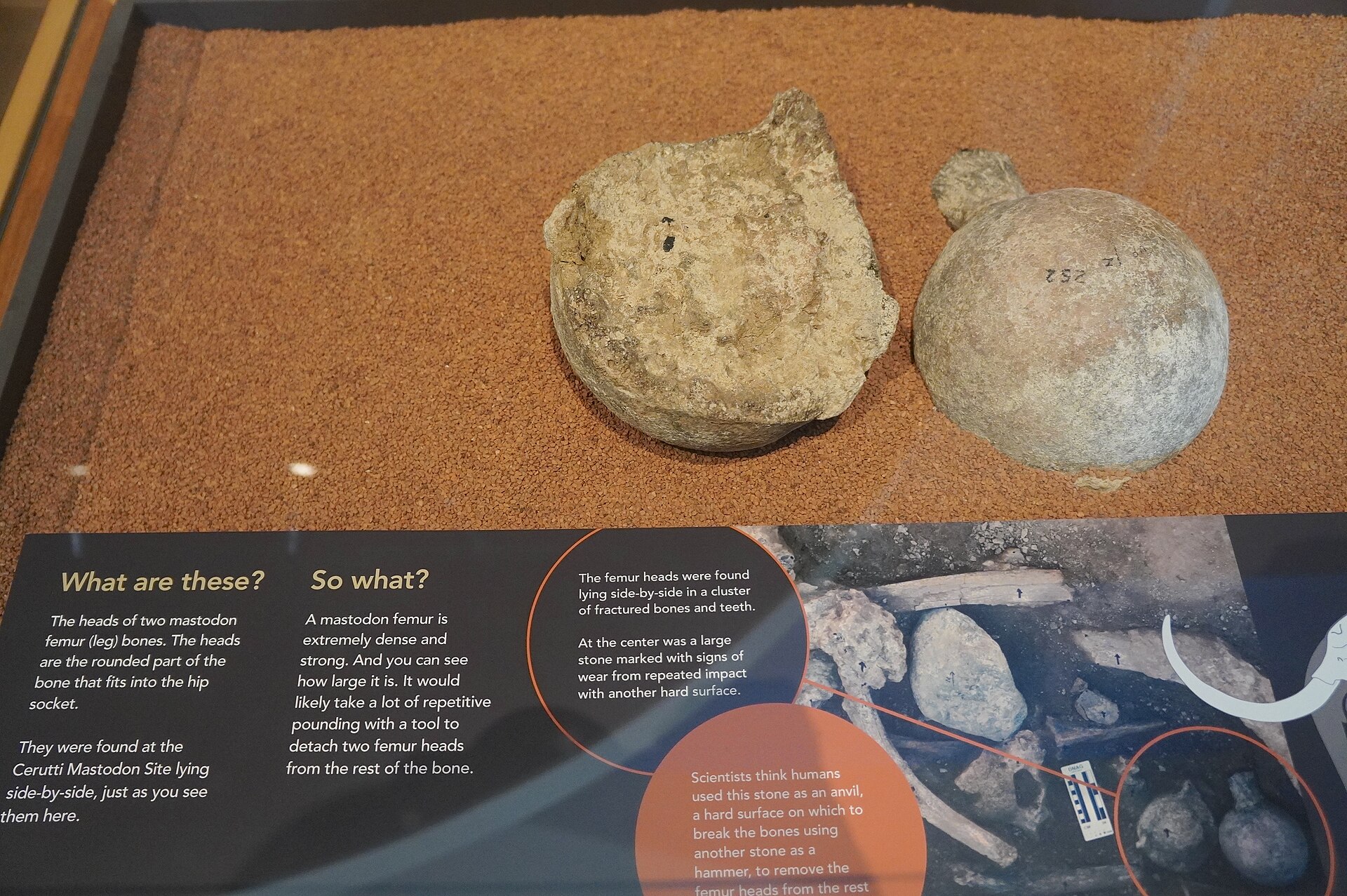
The mainstream reaction to the 2017 Nature paper was, and remains, deep scepticism — not of the date of the bones, but of the claim that people made the breakage. The deposit itself was dated by Thomas Deméré, Steven Holen, James Paces and colleagues using uranium-thorium methods to roughly 130,700 years ago, and that geological age is not seriously disputed. What is disputed is everything built on top of it.
Critics led by the veteran geoarchaeologist C Vance Haynes and others argued that the fractures and the marks on the cobbles are far more plausibly explained by ordinary, non-human forces: the heavy earth-moving equipment that exposed the site, natural sediment loading, or transport in high-energy flows. Gary Haynes and colleagues later showed that bone assemblages closely resembling Cerutti occur at sites where no human involvement is suspected, produced by trampling, carnivores and geological processes alone. The absence of the usual corroborating evidence weighs heavily: no stone tools of recognisable type, no cut marks, no hearths, no other artefacts, and no human remains — only broken bones and rocks whose interpretation is ambiguous. Given that the next-oldest widely accepted American sites are barely a fifth as old, most archaeologists apply the maxim that extraordinary claims require extraordinary evidence, and find the case unproven.
The consensus verdict is that Cerutti most likely records natural bone breakage in a 130,000-year-old deposit — remarkable geology, but not an archaeological site.
- No recognisable stone tools, cut marks, hearths, other artefacts or human remains at the site
- Fractures and stone marks plausibly caused by heavy freeway-construction equipment or natural forces
- Assemblages resembling Cerutti documented at sites with no suspected human involvement
- The next-oldest accepted American sites are roughly five times younger, isolating the claim
- Extraordinary-claim standard unmet: broken bones and rocks alone are interpretively ambiguous