What archaeology says
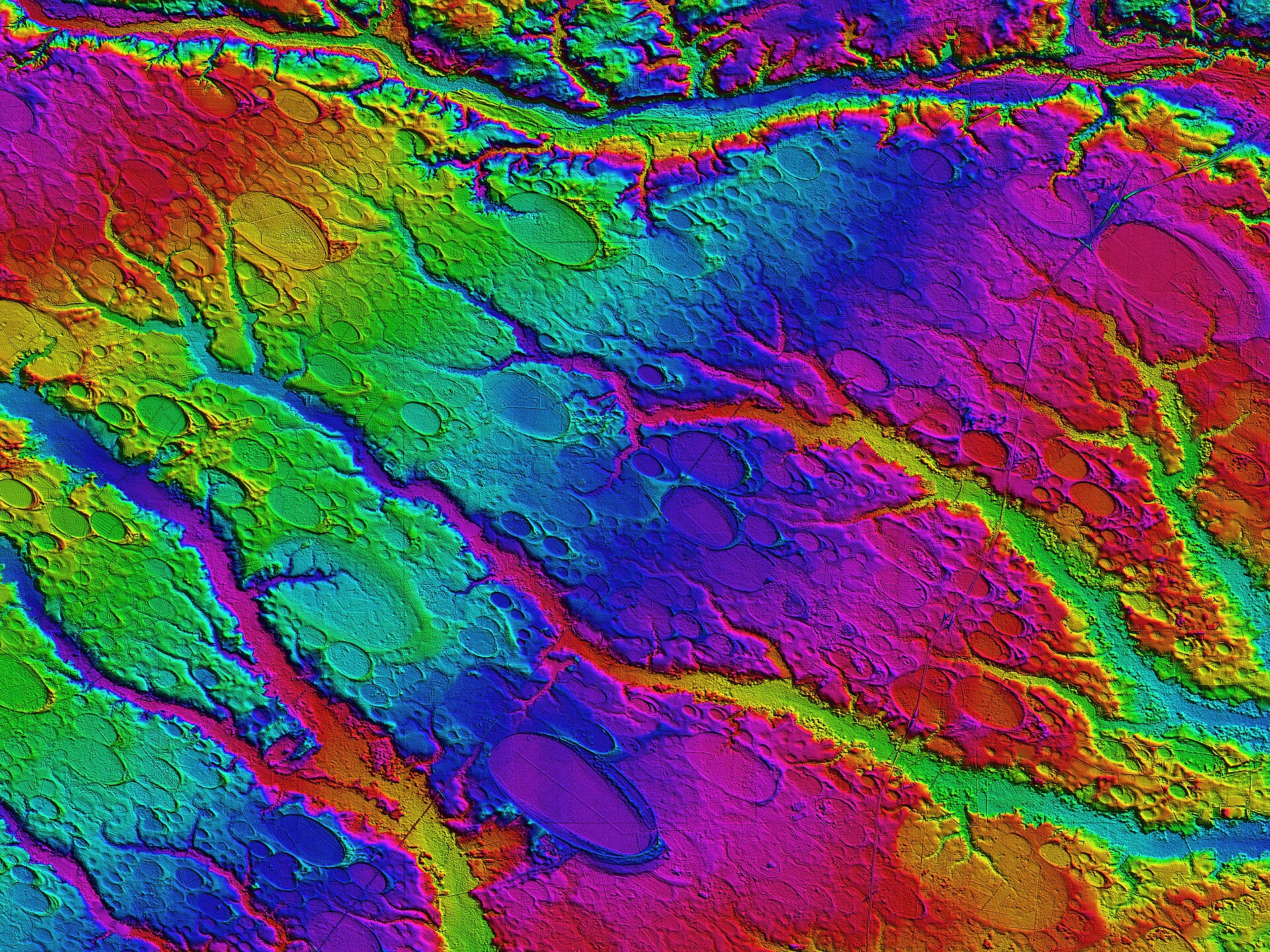
The scientific consensus holds that the bays are terrestrial features shaped by wind and water, not scars from the sky. In this account, during colder, windier phases of the last glacial period, prevailing winds and wave action reworked shallow ponds and wetlands in the sandy coastal-plain sediments, elongating and aligning them so their long axes ran perpendicular to the dominant wind. Lakeshore processes built the sandy rims, and repeated cycles of wetting, freezing and eolian activity refined the elliptical shapes. No shocked quartz, no meteoritic fragments, no crater structure and no consistent impact-melt signature have been recovered from the bays despite extensive searching.
The strongest single argument against a common catastrophic origin is age. Optically stimulated luminescence (OSL) dating of the sandy rims, notably work led by researchers such as Christopher Moore and colleagues, returns a broad spread of ages spanning tens of thousands of years, with many bays forming and reforming long before and long after any proposed single impact date. Some rims date to well over 100,000 years ago; others are far younger. A single instantaneous event cannot produce landforms of so many different ages. Recent geomorphological modelling continues to reproduce the bays' shapes and alignments from ordinary lacustrine and eolian processes acting on a windy periglacial landscape.
Mainstream workers therefore regard the bays as a textbook case of many similar features produced by the same slow processes, misleadingly regular to the eye but unremarkable in origin.
- OSL dates on bay rims spanning tens of thousands of years, ruling out one instantaneous event
- No shocked quartz, meteoritic fragments, crater structures or impact melt recovered from the bays
- Sandy rims and morphology consistent with lakeshore, wave and wind (eolian) processes
- Geomorphological models reproducing the elliptical shapes and alignments from ordinary periglacial processes
- Bays forming and reforming over long intervals, inconsistent with a single catastrophic origin